November 16, 2026
How Gutter Cleaning in Hackettstown Helps Prevent Basement Flooding
By @brooksdnvv855
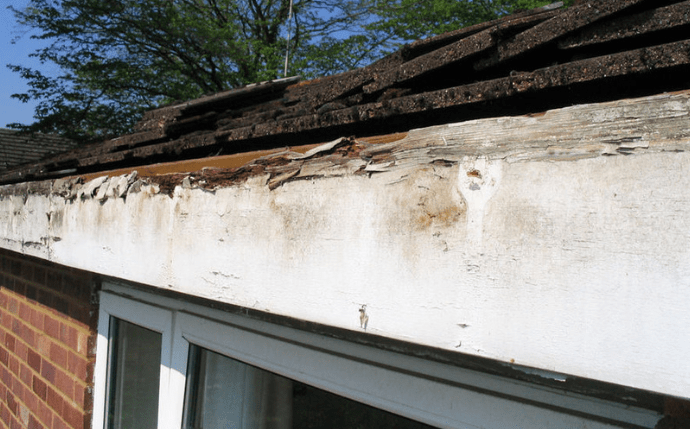
If you have ever walked into a basement after a hard rain and caught that damp, earthy smell before you saw the water, you already understand how expensive a small drainage problem can become. In many Hackettstown homes, the cause is not a cracked foundation or a failed sump pump, at least not at first. More often, the trouble starts much higher up, at the roofline, where clogged gutters quietly push thousands of gallons of rainwater to the wrong places.
That connection between roof drainage and basement water catches homeowners off guard. Gutters seem simple enough. They collect runoff and move it away from the house. Yet when they clog with leaves, seed pods, grit from shingles, and the occasional tennis ball or bird nest, the whole drainage path changes. Water spills over the sides, runs down exterior walls, pools at the foundation, and eventually finds a way below grade. On a house with even minor grading issues or older waterproofing, that is often all it takes.
In a place like Hackettstown, where seasonal leaf drop, summer thunderstorms, and winter freeze-thaw cycles all work against the exterior of a home, regular gutter maintenance does more than tidy up the roofline. It acts as one of the first defenses against basement flooding.
Why roof runoff matters more than most homeowners think
A typical roof sheds a surprising amount of water in a storm. Even a modest rain on a medium-sized home can send hundreds of gallons into the gutter system in a short window. During a heavy downpour, that volume rises fast. If the gutters and downspouts are clear, the water moves through the system and exits several feet away from the foundation. If they are partially blocked, the flow slows. If they are badly clogged, water simply pours over the edges.
That overflow rarely lands harmlessly. It usually drops directly next to the home, where the soil is already disturbed from construction and tends to be looser than undisturbed ground farther out in the yard. Loose soil absorbs water, swells, and holds moisture against the foundation wall. Once the soil near the home is saturated, hydrostatic pressure builds. That pressure pushes water through tiny cracks, mortar joints, pipe penetrations, and cold joints in the concrete.
Homeowners often focus on what they can see indoors, a damp carpet, a rust stain near the base of a wall, white mineral deposits on block, but the problem usually started outdoors weeks or months earlier. That is why Gutter Cleaning Hackettstown services are not just cosmetic maintenance. They address a direct pathway for water intrusion.
Hackettstown weather creates the perfect setup for clogged gutters
Local conditions matter. In Hackettstown and the surrounding Warren County area, homes deal with a broad mix of weather patterns. Spring brings pollen, buds, and frequent rain. Summer can produce fast, heavy storms that dump water in a short period. Fall loads gutters with leaves from maples, oaks, and other mature trees common in established neighborhoods. Winter adds a different problem. Debris left in gutters traps moisture, which can freeze, expand, and create ice buildup that stresses fasteners and blocks drainage even more.
On paper, a gutter can be only half full of debris and still look passable from the ground. In practice, that partial blockage is enough to trap standing water. Once standing water is present, sediment settles, seedlings take root, and the clog becomes denser with every storm. I have seen gutters that looked fine from the driveway but held inches of sludge when viewed from a ladder. The downspout opening was narrowed to the width of two fingers, which is nowhere near enough for a strong summer storm.
This is where local maintenance habits matter. In neighborhoods with mature tree cover, once-a-year cleaning is often not enough. Homes surrounded by pines or heavy leaf fall may need more attention, especially if the basement has a history of dampness.
The chain reaction from clogged gutters to basement flooding
Basement flooding rarely comes from one dramatic failure. More often, it develops as a chain reaction. A homeowner skips gutter cleaning for a season or two. Debris builds up. Water starts overflowing along one corner of the house. The mulch bed below stays wet. The soil settles slightly. A small foundation crack that was once harmless now sees constant moisture. A storm arrives after a week of rain, the ground is already saturated, and water enters the basement for the first time.
That chain reaction is important because it means prevention is possible. Clean gutters reduce the amount of water that reaches the foundation in the first place. They do not solve every basement issue, but they remove one of the most common and most preventable contributors.
The corners of a home are especially vulnerable. When a gutter is clogged near a corner, water can spill in concentrated sheets rather than a light dribble. That heavy discharge lands in a narrow area and can quickly erode soil. If a downspout is also blocked, water may back up and pour over the front lip of the gutter for ten or twenty feet during a storm. That creates several wet zones along the foundation instead of one controlled discharge point away from the home.
What clean gutters actually do for the foundation
People sometimes think of gutter cleaning as a chore that simply keeps water off siding and prevents ugly stains. It does that, but the foundation benefits are more significant.
When gutters are clear, runoff is captured and directed into downspouts at the designed flow rate. Water exits where the system intends, ideally through downspout extensions or underground leaders that carry it away from the structure. That keeps the soil around the foundation drier and more stable. Drier soil means less pressure against basement walls, fewer opportunities for seepage, and less risk of soil washout near footings.
Stable drainage also helps preserve grading. Many homes rely on subtle slopes around the perimeter to encourage surface water to move away. Overflowing gutters carve channels into flower beds and compacted areas, flattening those slopes over time. Once grading degrades, even clean gutters may struggle to keep water away from the house. That is one reason minor overflow should not be dismissed. A small problem repeated over dozens of storms becomes a larger site drainage issue.
The basement signs that often trace back to gutter problems
Not every basement leak points to the gutters, but many warning signs should prompt a close look at the roof drainage system before assuming the worst. These clues show up in predictable ways:
- Water stains on basement walls, especially below outside corners
- Efflorescence, the white chalky residue left by evaporating moisture
- Damp spots after storms rather than constant wetness
- Eroded soil or deep splash marks beneath gutter edges
- Overflow lines on the outside face of the gutter
That last sign is easy to miss. Overflow lines often appear as dirty streaks on the gutter exterior, created when water repeatedly spills over one section. If those streaks line up with the side of the home where the basement gets wet, you may have found the beginning of the problem.
Why downspouts matter just as much as gutters
A gutter can be perfectly clean and still fail if the downspouts are clogged or poorly placed. The entire system depends on water leaving the trough and moving away from the house quickly. Downspouts that terminate too close to the foundation defeat much of the purpose of the gutter system, especially on lots with flat grading.
In service calls involving wet basements, I have often seen one of two patterns. Either the gutter itself is full and spilling over, or the gutter looks open but the downspout is packed with compacted debris at the elbow. Water then backs up during storms and overtops the gutter. The homeowner assumes the gutter needs to be bigger, when the real issue is simple obstruction.
Placement matters too. If a downspout exits into a short splash block and the yard pitches back toward the home, the water still returns to the foundation. Extensions, buried drain lines in good condition, or carefully planned discharge points are part of the larger professional gutter cleaning picture. Gutter Cleaning Hackettstown homeowners schedule regularly should include checking that downspouts are not only open, but actually carrying water far enough away.
Older homes and finished basements face higher stakes
Hackettstown has a mix of housing stock, and older homes deserve special attention. Many were built before modern waterproofing expectations, with foundations that can tolerate some seasonal moisture but not chronic saturation. A little overflow at the eaves may not seem serious, but repeated saturation near stone, block, or aging concrete walls can expose every weakness those structures have accumulated over decades.
Finished basements raise the stakes even further. Water that would have been a nuisance on bare concrete becomes a much larger loss when drywall, flooring, trim, furniture, and stored belongings are involved. It does not take standing water several inches deep to cause damage. Repeated dampness behind finished walls can support mold growth, rot wood framing, and leave a lingering odor that is hard to remove.
In homes with home offices, gyms, playrooms, or guest spaces below grade, preventive maintenance outside often saves far more money than interior repairs later.
Timing matters more than people expect
There is no universal calendar that suits every property, but timing is one of the biggest factors in whether gutter cleaning actually protects a basement. Cleaning too early in the fall can leave the system clogged again after the last leaf drop. Cleaning too late in the spring may allow several strong rains to hit a compromised system.
For many Hackettstown properties, a practical schedule looks like this:
- A cleaning in late spring, after seed drop and early debris buildup
- A second cleaning in late fall, after most leaves are down
- An extra mid-season check for homes under heavy tree cover
- A winter visual inspection after freeze-thaw events
- Immediate service if overflow is visible during rain
That schedule is not excessive for properties surrounded by mature trees. In lighter conditions, two cleanings a year may be enough. The right interval depends on roof pitch, tree type, wind exposure, gutter size, and whether the home has a history of basement moisture.
The hidden cost of putting it off
A lot of homeowners delay gutter cleaning because it feels non-urgent. There is no loud warning. The gutters do not usually fail all at once. They just perform a little worse with each season. But water damage compounds. What begins as minor overflow can lead to fascia rot, landscape erosion, foundation dampness, and eventually interior repairs.
The costs tend to stack in unpleasant ways. A professional cleaning is usually modest compared with replacing ruined carpet, cutting out moldy drywall, or hiring a waterproofing contractor to address seepage that might have been reduced by better exterior drainage. Even if the basement flooding has multiple causes, clean gutters lower the burden on every other system, including footing drains and sump pumps.
It is worth saying plainly that gutter cleaning is not a cure-all. If a home has significant negative grading, failed perimeter drainage, a cracked foundation wall, or a high water table, those issues need direct attention. But allowing clogged gutters to dump roof runoff at the foundation makes all of those conditions worse. Good maintenance does not replace proper repair, yet it often prevents marginal conditions from turning into active flooding.
What a thorough cleaning should include
A proper gutter service is more than scooping out leaves from the visible sections. For flood prevention, the details matter. The crew should remove packed debris, flush the gutters, test the downspouts, and check for drainage problems that might not be obvious from the ground. Loose spikes, improper pitch, separated joints, and crushed extensions can all undermine performance even after the debris is gone.
This is also where experience counts. Someone who works on local homes regularly can usually spot patterns quickly. They notice the low corner that always holds water, the downspout elbow that clogs every fall, or the front bed that has been eroded by years of overflow. Those observations help homeowners prioritize simple corrections before the next heavy rain.
If you are evaluating a Gutter Cleaning Hackettstown provider, ask whether they check flow through the full system and whether they report drainage issues they see. A cheap clean-out that ignores a blocked downspout or bad pitch may leave the basement risk largely unchanged.
Gutter guards help, but they are not a free pass
Gutter guards are often marketed as a way to eliminate maintenance. In reality, they reduce certain types of debris but rarely remove the need for inspection and periodic cleaning. Fine shingle grit, pollen sludge, maple seeds, and tiny leaf fragments can still accumulate. Some guard designs work well with large leaves but struggle with pine needles. Others allow debris to settle on top and create overflow during intense rain.
That does not make guards useless. On the right house, they can reduce cleaning frequency and lower the chance of full blockages. But they should be treated as part of a drainage strategy, not a substitute for it. Homes with basement water concerns still benefit from regular checks, especially after storms or during peak leaf season.
I have seen guarded systems overflow because the installer failed to address existing pitch problems or because the valleys on the roof dumped too much water onto a short section of gutter. The guard was not the issue. The system design was.
Small drainage details that make a big difference
The houses that stay driest through heavy rains are usually not relying on one miracle fix. They have several small things working together. The gutters are clean. The downspouts discharge away from the home. The grading slopes outward. Window wells are clear. Mulch is not piled against the siding. The sump system, if present, is maintained.
That combination matters because basement flooding is usually the result of accumulated water pressure, not a single drop in the wrong place. Every gallon kept away from the foundation is one less gallon pushing against basement walls.
Even details like soil type change the equation. Clay-heavy soil, common in some areas, drains slowly and holds water longer near the house. That means gutter overflow can have a prolonged impact compared with sandier soils that let water move through faster. It is another reason broad rules do not always apply evenly from one property to the next.
When to call for help instead of waiting
If you can see water spilling over the gutter edge during rain, the system is already underperforming. If the basement smells damp after storms, if one wall repeatedly shows stains, or if the ground near a downspout stays soggy long after rainfall ends, it is time to act. Waiting for a more obvious flood usually means paying for a larger repair later.
Professional service is especially important when the home is more than one story, the roof is steep, or the gutters have not been cleaned in years. Packed debris can be heavier than people expect, and ladders placed on wet or uneven ground create real risk. The cleanup itself is straightforward. Doing it safely and evaluating the system correctly takes more judgment.
For homeowners trying to protect a Gutter Cleaning Hackettstown basement, the goal is not simply clean-looking gutters. The goal is controlled water. Once that is the standard, the value of regular gutter maintenance becomes much easier to see.
A dry basement starts at the roofline more often than people realize. In Hackettstown, where weather and tree cover routinely test every drainage system, keeping gutters clear is one of the simplest ways to reduce the odds of water finding its way downstairs. It is basic home maintenance, yes, but it is also practical flood prevention.
Just Gutters LLC
Address: 262 Main St, Hackettstown, NJ 07840
Phone number: +12013319454
FAQ About Gutter Cleaning Hackettstown
How much should a gutter clean cost?
Professional gutter cleaning typically costs between $163 and $333, with a national average of around $210 to $250 for a standard-sized home.
What months should you clean gutters?
You should clean your gutters twice a year—once in late autumn (November to December) and once in late spring (April to May).
Is it worth paying for gutter cleaning?
Yes, paying for gutter cleaning is worth it because it prevents thousands of dollars in water damage, roof leaks, and structural repairs.
❧